Contents
In short: the order of the steps
Clearing a parent's home is rarely the first thing to deal with after a death in Belgium. It is usually one of the last. This order helps you avoid the most common mistakes:
- Secure the property: lock up, collect the keys, and let the insurer know, as well as the landlord if it is rented.
- Put papers and valuables somewhere safe, without selling or sharing anything out.
- Contact a notary: in Belgium, the notary checks whether there is a will, establishes who the heirs are and draws up a list of the assets.
- Decide together as heirs: whether to accept the estate, and whether to keep, sell or hand back the property.
- Sort the keepsakes as a family and write down who takes what.
- Have the rest cleared: donations, recycling, removal, then handing over the keys.
Deadlines to know in Brussels
Several legal deadlines start running on the day of the death. They do not set the date of the clearance, but they shape the whole timetable.
| Step | Deadline | Who handles it |
|---|---|---|
| Register the death with the commune (civil registry) | In the first few days; the funeral director can do it | Family or funeral director |
| Inform banks, insurers, the health insurance fund (mutualité / ziekenfonds) and the landlord | In the first few weeks | Heirs, with the notary's help |
| File the inheritance tax return (déclaration de succession) | 4 months if the death occurred in Belgium (5 months elsewhere in Europe, 6 months outside Europe) | Heirs; a notary is compulsory if the estate includes property |
| Pay inheritance tax | Within 2 months of filing the return | Heirs |
| Rented home left empty, with rent and charges unpaid | After 2 months from the date of death, the landlord may treat the lease as terminated | Landlord (Brussels Housing Code, article 232) |
In theory, heirs have thirty years to accept or refuse an estate. Belgian notaries advise against waiting, though: the longer you wait, the greater the risk of doing something that counts as acceptance.
Before you clear anything: talk to the notary
This is the most important point in this guide. According to notaire.be, the website of Belgian notaries, an estate can be accepted tacitly, and even simply paying a bill can be treated as tacit acceptance. Accepting an estate also means accepting its debts.
Selling the furniture, giving away the car, sharing out the jewellery or having the house cleared all involve assets that belong to the estate, so ask the notary first. If you are unsure how large the debts might be, the notary can explain acceptance under benefit of inventory (bénéfice d'inventaire): the heir then only pays debts up to the value of what they inherit.
We do not give legal advice. Our job starts once the family knows what it wants to do with the contents.
Who does what: heirs, notary, landlord, clearance team
- The notary looks for a will, establishes who the heirs are and what they are entitled to, lists the assets, helps complete the inheritance tax return and issues the deed of inheritance (acte d'hérédité) that banks ask for before releasing accounts.
- The heirs decide together. Until the estate is divided, they own it jointly (indivision): the contents of the house belong to all of them. It is best that no single heir has the home cleared without the others' agreement.
- The landlord, if your parent was a tenant, expects the property and keys to be handed back, along with a move-out inventory (état des lieux de sortie).
- The house clearance company removes what the family has decided to let go: sorting, donations to charities, recycling and removal. It plays no part in dividing the estate.
If the home was rented: what Brussels law says
In Brussels, a tenant's death does not, in principle, end the lease, as the Region's official guide to residential leases points out. The lease continues with the heirs, who must pay the rent and look after the property, with the costs borne by the estate.
There is one exception, set out in article 232 of the Brussels Housing Code. If no member of the household still lives in the home and the rent or charges remain unpaid for two months from the date of death, the landlord may treat the lease as terminated, without notice or compensation. The landlord may then dispose of the belongings left behind, following the legal rules on safekeeping, and ask the justice of the peace to release the rental deposit to cover what is owed.
In practice, this means two things:
- If you want to recover the furniture and keepsakes, do not let things drift: contact the landlord quickly.
- If you want to give the home back, you can give notice under the legal rules or agree an end date with the landlord. Then book the clearance a few days before the move-out inventory.
For a flat in a block, also think about the private cellar and the building's rules (lift, permitted hours). Our flat clearance in Brussels page explains this type of job in detail.
If the house is being sold or kept
If your parent owned the home, a notary is needed in any case for the inheritance tax return. The heirs then choose whether to keep the property, divide it or sell it. According to notaire.be, a sale takes place when the heirs agree to it, or when the property cannot be divided as it stands.
A sale usually gives you more room than the end of a lease. Many families sort the keepsakes first, then have the house cleared before viewings or before the date the property must be vacant. Agree that date with the notary and, if there is one, the estate agent.
What to keep before the clearance
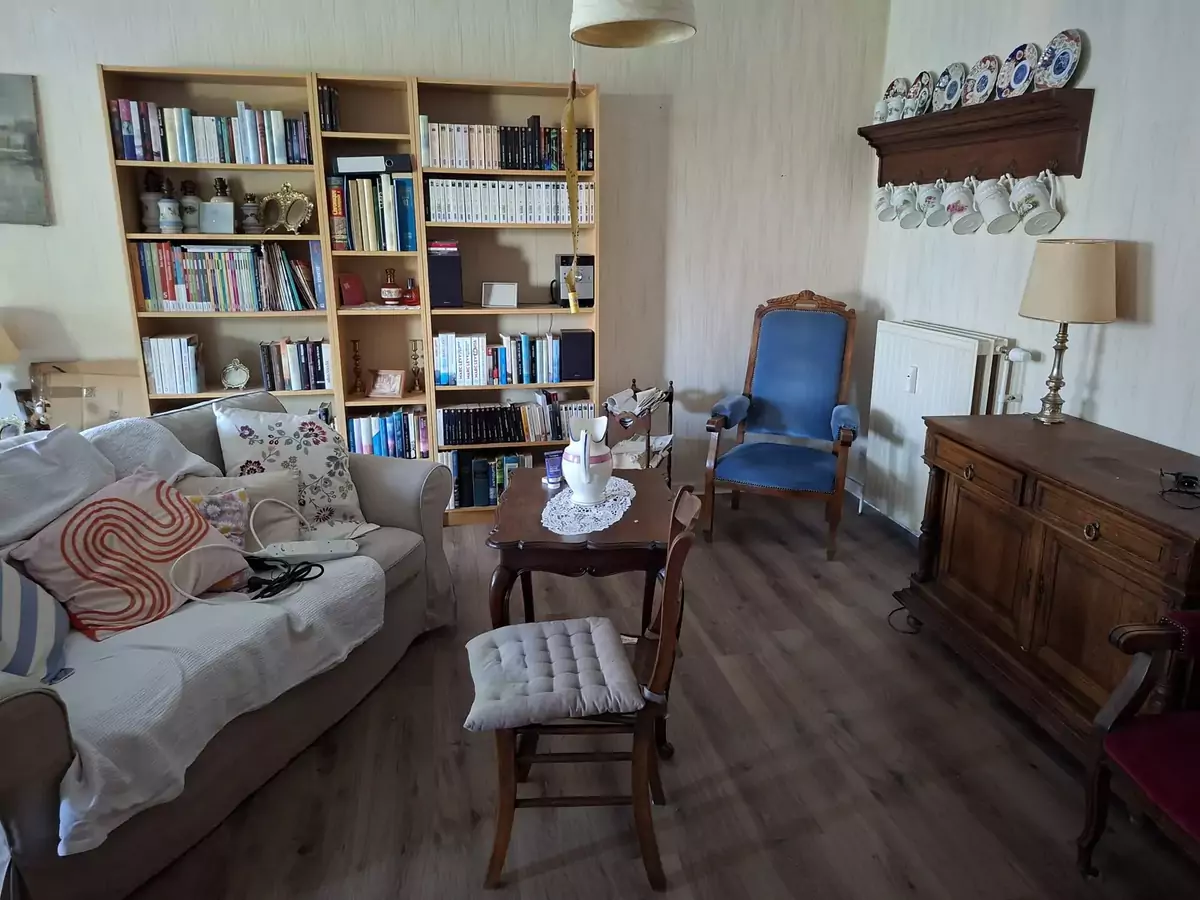
Walk through the whole home before anyone starts, ideally with someone else. Check drawers, boxes, files, coat pockets and between the pages of books.
Documents
- Identity card, marriage booklet (livret de mariage), any will, any marriage contract.
- Bank statements and cards, insurance policies (including life insurance), letters from the pension service and the health insurance fund.
- Title deeds, notarial deeds, the lease, service charge statements and recent bills. Keep the funeral director's invoice: it can be declared as a debt of the estate.
- Vehicle documents, keys, codes and remote controls.
Valuables and keepsakes
- Jewellery, cash, watches and artwork: put them somewhere safe and make a list. They are part of the estate.
- Photos, letters, notebooks, family films, and anything several relatives might want to keep.
Put whatever you are keeping in a locked room or take it away with you. On the day of the clearance, everything else can go.
When to call in a house clearance
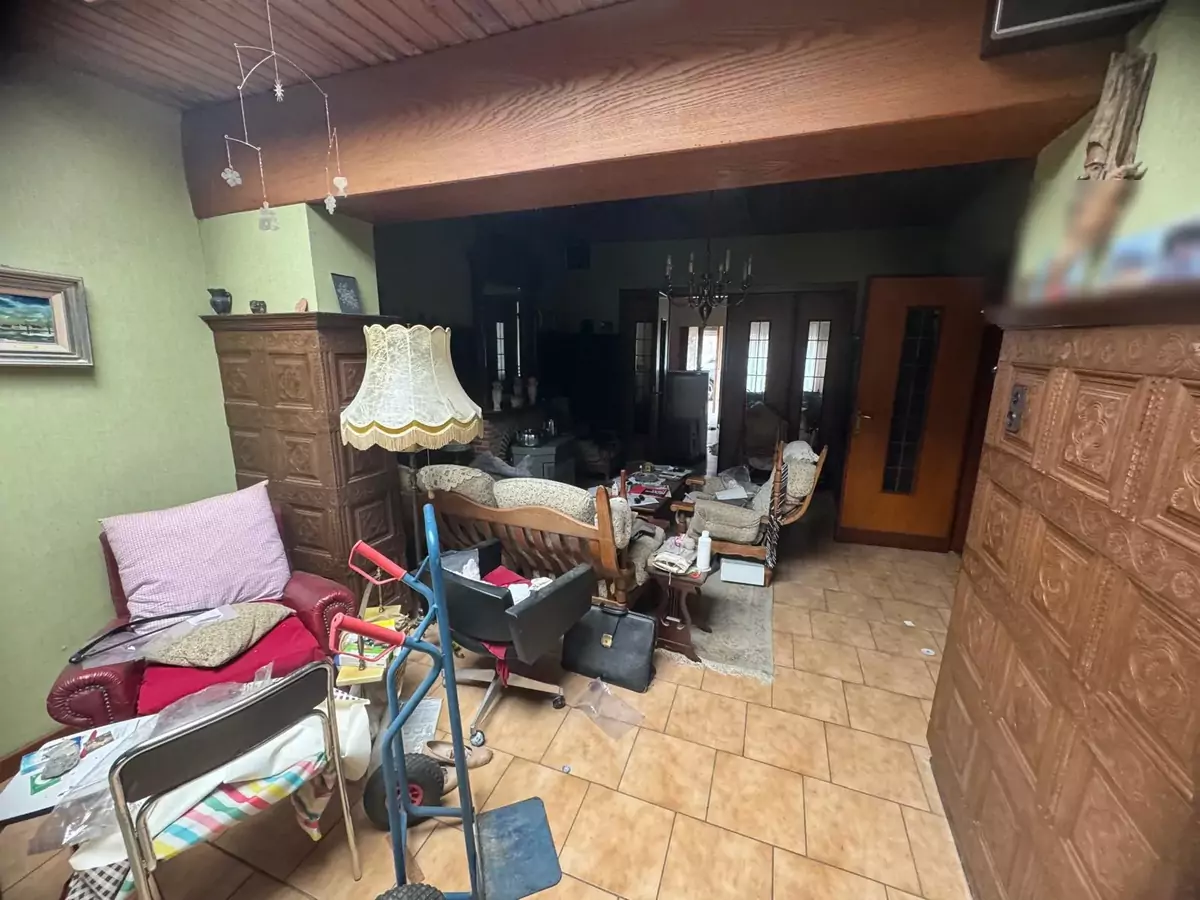
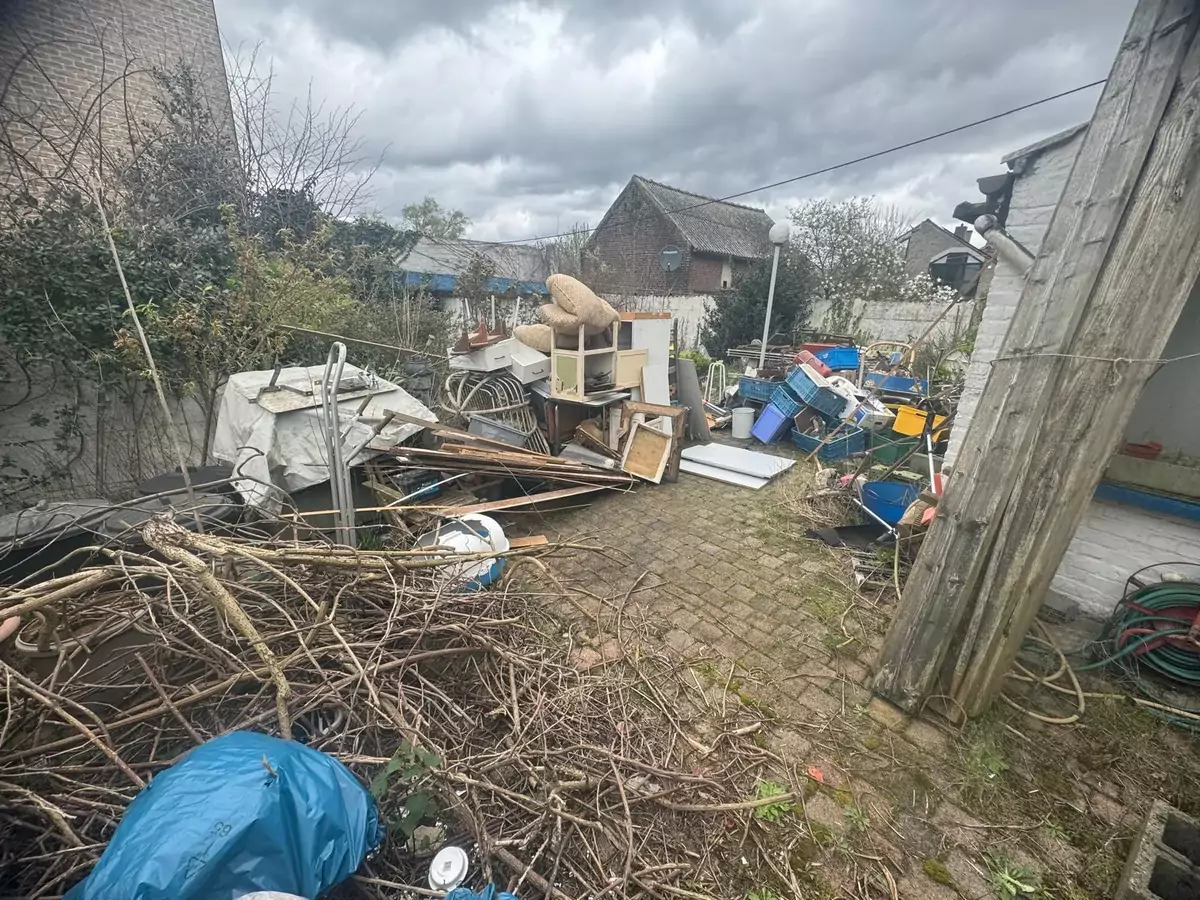
The right moment is when three things are in place: the notary has been consulted, the heirs agree, and the keepsakes have been taken. Before that, a visit is still useful to find out the price and plan the timetable.
At AAB Brocanteur, the visit and the quote are free, and the price is fixed in writing before the job starts. Nothing is thrown away without your agreement: if we are unsure about an item, we ask you. Any official papers we find while sorting are set aside and handed to the family. Items in good condition can be donated to charities; the rest is sorted for recycling and removed. We can step in within 48 hours when a lease is ending soon.
If the property has to be handed back tidy, a simple clean of the emptied rooms (sweeping, vacuuming and mopping) can be requested at the visit and included in the quote. See our cleaning after a house clearance page. To see what affects the price, have a look at our prices. For the support we offer families after a bereavement, see our estate clearance in Brussels page.
Doing it yourself: public options in Brussels
Some families prefer to clear the home themselves, especially a small one. The Brussels Region says that social economy enterprises can collect clean furniture in good condition and fully working electrical appliances, and that some communes collect bulky waste or run container parks. Check with your commune's environment department and with Bruxelles-Propreté (Net Brussel) before putting anything out on the pavement.
If you only need a few pieces of furniture taken away, our junk removal service is a better fit than a full clearance. For a whole house, see house clearance in Brussels.